




- Digital Savings AccountDigital Savings Account
 Savings AccountSavings AccountCurrent AccountCurrent Account
 - Life Phases
Discover meaningful conversations with industry experts
Perspectives that inform and inspire
Visit Open DialoguePlan Life GoalsDiscover meaningful conversations with industry experts
Perspectives that inform and inspire
Visit Open DialogueLearn Financial ConceptsDiscover meaningful conversations with industry experts
Perspectives that inform and inspire
Visit Open DialogueFinancial FirstsDiscover meaningful conversations with industry experts
Perspectives that inform and inspire
Visit Open DialogueBlogsDiscover meaningful conversations with industry experts
Perspectives that inform and inspire
Visit Open DialoguePlan-o-meterDiscover meaningful conversations with industry experts
Perspectives that inform and inspire
Visit Open DialogueOpen Dialogue PodcastDiscover meaningful conversations with industry experts
Perspectives that inform and inspire
Visit Open Dialogue












Credit Card
Credit Card debt: What is it & how to escape it?
3 min read
Jan 25, 2024
505 Views
Understanding and managing a Credit Card debt has become crucial for financial health in a world increasingly reliant on credit. This guide aims to demystify the meaning of Credit Card debt, providing insights into its mechanics, management strategies, and how innovative banking solutions can turn the tide in your favour.
What is Credit Card debt?
The meaning of a Credit Card debt is essentially the money you owe to the Credit Card company due to the purchases made with your Credit Card . It operates like a form of unsecured loan: you borrow funds up to your credit limit and are obligated to repay this amount. If you don't pay the full amount owed by the due date, the remaining balance is carried over to the next month as debt, accruing interest.
For example, if you spend ₹30,000 on your Credit Card and only pay ₹5,000 by the due date, the remaining ₹25,000 becomes your Credit Card debt. This debt will then incur interest, often at a high rate. If the annual interest rate is 20%, your debt will increase by approximately ₹416 in a month, assuming simple interest. Thus, the debt can quickly grow if not appropriately managed, making it essential to pay off balances timely to avoid a debt spiral.
Benefits of Credit Card debt
While the 'Credit Card debt' definition often carries a negative connotation, it's not all bad when managed wisely. Here's how carrying a bit of CC debt can actually be beneficial:
1. Builds your credit history: Regularly using a Credit Card and paying off debt on time helps build a strong credit history. A good credit score is crucial for future financial activities like loan approvals and mortgage applications.
2. Rewards and perks: Many Credit Cards offer rewards, cashback, or purchase points. This implies that you also earn something back while spending, which you can later redeem for various benefits.
3. Helps in emergencies: Credit Cards can be a lifesaver during unexpected financial emergencies. They provide a quick source of funds when you might not have immediate cash available.
4. Convenience and flexibility: Credit Cards offer the convenience of making purchases even when your bank account doesn't have sufficient funds, giving you the flexibility to pay later.
5. Improves financial management skills: Managing Credit Card debt requires discipline and planning. This process can significantly enhance your budgeting and financial management skills.
6. Interest-free periods: Many Credit Cards offer interest-free periods. If you pay off your debt within this period, you effectively borrow money for free.
7. Global acceptance: Credit Cards are widely accepted worldwide, making them a convenient option for international travel or online purchases from foreign websites.
8. Purchase protection: Credit Cards often come with added protections like insurance on purchases, extended warranties, or fraud protection, which can save you money and hassle.
9. Credit utilisation ratio: Using a portion of your credit limit and paying it off regularly demonstrates responsible credit use, which can positively impact your credit score.
Resolving your debt
Addressing your Credit Card debt begins with a comprehensive evaluation of your financial situation. The process entails creating a detailed budget to monitor your spending, which helps in identifying potential areas where you can cut costs. Additionally, prioritising your debts is crucial – determining which debts to pay off first based on interest rates and balances.
In addition to these steps, considering Credit Card debt relief options can be a significant part of your strategy. Credit Card debt relief refers to various strategies or programs that help reduce or manage the burden of Credit Card debt. This can include debt consolidation, debt management plans, or even balance transfer Credit Cards. Tailoring relief options aim to assist individuals in reducing their debt load, lower interest rates, and achieve a more manageable repayment schedule.
Also Read: How to pay off Credit Card debt faster with a balance transfer
Acknowledge the Credit Card problem
Acknowledging that Credit Card debt is a problem is the first step towards resolving it.
This realisation often comes from noticing how debt affects your monthly budget or stress levels. Once you acknowledge the issue, you're in a better position to create a structured plan to tackle it, which may include setting spending limits and devising a repayment strategy.
In addition to self-managed strategies, seeking Credit Card debt counselling can be an effective course of action. This involves seeking guidance from financial experts who specialise in helping individuals manage and reduce their Credit Card debt. Counsellors can offer personalised advice and help create effective budget plans. This service is particularly beneficial for those who feel overwhelmed by their debt situation.
Impact of Credit Card settlement on your credit score
Opting for a Credit Card debt negotiation and settlement, where you pay less than what you owe, can significantly damage your credit score. While it may offer short-term relief from debt, it has long-term consequences, including making it harder to obtain loans in the future.
Considering these repercussions and exploring other debt settlement options is essential.
How to get out of a Credit Card debt?
Getting out of Credit Card debt requires a combination of debt management strategies like disciplined budgeting, strategic debt repayment, and, sometimes, lifestyle changes. Prioritise paying off debts with the highest interest rates first while maintaining minimum payments on others.
In your journey to becoming debt-free, it's vital to adopt strategies that align with your unique financial situation. Two particularly effective methods to consider are:
Credit Card debt repayment plans: This is the process of paying back the money owed on Credit Cards. Achieving this involves employing various methods, including making regular payments exceeding the minimum requirement, making lump-sum payments, or adopting structured repayment plans. The aim is to pay off the outstanding balance efficiently, minimising interest costs and reducing Credit Card debt over time.
Debt snowball method: This is a debt reduction strategy where you pay off debts from smallest to largest, gaining momentum as each balance is paid off. While making minimum payments on all debts, you focus on paying off the smallest debt first, then move on to the next smallest, creating a 'snowball effect'. This method can motivate by providing psychological wins as it quickly clears smaller debts.
Debt consolidation loans: Since a personal loan doesn't require collateral, it is the most widely used tool for debt consolidation. Personal loans also have a speedy approval and disbursement procedure. Pre-qualified/pre-approved loans with immediate disbursement are available to customers with strong credit histories and credit scores.
Credit Bureau reporting and analysis
Credit bureaus collect and analyse your Credit Card usage and payment history to create your credit report and score. Regularly reviewing your credit report is essential to understand your financial standing and to spot any errors or fraudulent activities.
Your credit score, a key component of your financial health, influences your ability to secure loans and the interest rates you'll get.
Minimum Credit Card payments
Making Credit Card minimum payments can extend the debt repayment period and accumulate a significant amount of interest over time. While it keeps your account in good standing, it does little to reduce the principal balance.
Paying more than the minimum, whenever possible, can significantly decrease the total interest paid and shorten the debt repayment timeline.
Conclusion
Effectively managing Credit Card debt is pivotal for financial health. It's about striking the right balance between leveraging the benefits and staying on top of repayments.
While you're on this path, using a Credit Card that offers benefits as you spend can be a smart strategy. With Axis Bank Credit Cards, the shopping experience is not just about spending but also about earning. Each purchase you make accumulates EDGE REWARDS points, which you can redeem across a diverse array of over 500 exciting rewards across various categories.
Axis Bank Credit Cards, therefore, offer a dual advantage — aiding in efficient debt management with their customer-centric features and making your spending rewarding. By integrating the EDGE REWARDS program into your financial strategy, you ensure that every transaction moves you closer to a debt-free life while simultaneously enjoying the perks of a rich rewards catalogue. This balance of prudent financial management and rewarding experiences is what sets Axis Bank Credit Cards apart as a wise choice for those journeying out of Credit Card debt.
Disclaimer: This article is for information purpose only. The views expressed in this article are personal and do not necessarily constitute the views of Axis Bank Ltd. and its employees. Axis Bank Ltd. and/or the author shall not be responsible for any direct / indirect loss or liability incurred by the reader for taking any financial decisions based on the contents and information. Please consult your financial advisor before making any financial decision.
Table of Contents
Related Services
Learning Hub
Planning your next money move? Spend a minute here

Savings Bank Accounts v/s Fixed Deposits
Now link your Aadhaar card to your bank account seamlessly.
How To Open A Bank Account Online
“Do it online” is the buzz phrase these days. Right from shopping, buying movie tickets...

Four reasons not to leave your savings account dormant
For most of us, our introduction to banking has been on similar lines – accompanying an elder to the...
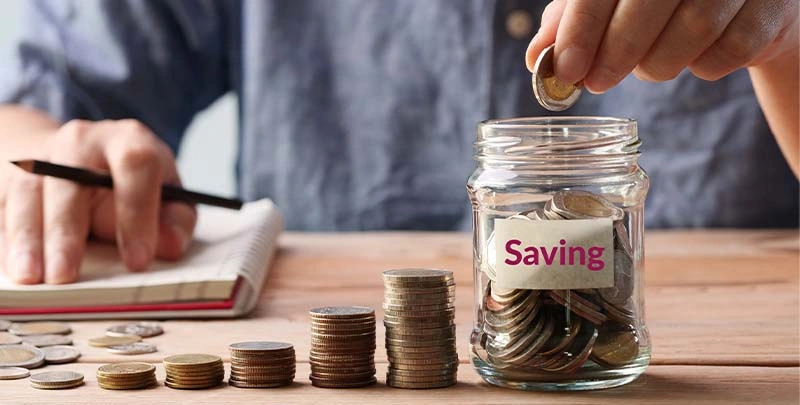
Tips to save more in 2025: 5 best savings tips
As we step into 2025, you should reflect on your financial goals and make a resolution to save more.
Savings Account uses you might not know about
Kabir Juneja, 25, was excited....

Give your kids a head-start in financial planning
Let kids start saving when they are young....

Features to look for when opening a digital savings account
What do you look for when......

Use your Savings Account for more than just transactions
When Shalini lost her job due to downsizing by her company, she was not unduly worried...

Get Rewards & Cashback When Opening a Savings Account
For most bank customers, the first formal relationship with a bank is through a Savings Account...

Open an Axis Direct 3-in-1 Account and start your journey of wealth creation
Investing in equities is essential for creating wealth over the long term...

Avail offers using an Axis Bank Savings Account
A bank account offers many benefits, the first and foremost being security. Money in a bank account...

Know why customers and sales personnel love the Account Aggregator network
The BFSI (Banking, Financial Services, and Insurance) ......

Know your KYC
The Reserve Bank of India has established Know Your Customer (KYC) guidelines...
3 steps to set up a salary account for your household help
Your household help Mala has been complaining that since she gets all her salary in cash...

Here's How You Can Open a Savings Bank Account ASAP
You would agree that the internet and technology have become a boon; playing the role of an enabler. In a digital world that we live in...

How to Transfer Your PPF Account & Link it to Savings Account
Public Provident Fund (PPF) is an investment scheme sponsored by the Government of India...

How to reactivate an inactive or dormant savings account?
You need to send some money to your parents for a family emergency...
Why A Saving Account Is Better Than A Piggybank?
If you grew up in those good old days where your parents gave you pocket money...

Open a Digital FD in minutes
Arun, an interior designer by profession had just got a sizeable pending payment from one of his clients...

Open a Bank Account digitally in just a few clicks
When Ludhiana-based Amrit Singh got admission to a top management.....

Copyright@ 2026 Axis Bank